Electronic Health Records (EHR) Systems
Electronic Health Records (EHR) are digital versions of patients’ medical histories stored in secure computer systems. They contain comprehensive patient information such as medical history, diagnoses, medications, laboratory results, imaging reports, and treatment plans. EHR systems allow healthcare providers to access and share patient data quickly across hospitals and clinics.
Key Features
- Digital storage of patient medical records
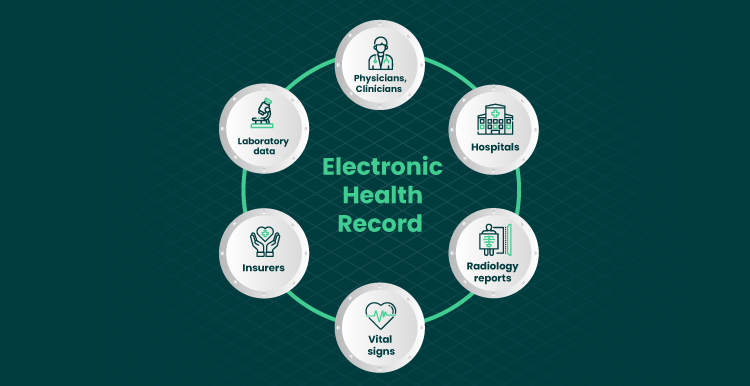
- Integration of lab reports and imaging data
- Electronic prescriptions (e-prescribing)
- Patient portals for accessing health information
- Secure data sharing between healthcare providers
Scope of EHR Systems
- Digital patient record management
- Clinical documentation and reporting
- Data analytics and population health monitoring
Benefits of EHR Systems in Healthcare
- Improved Patient Care: Doctors can access a patient’s complete medical history instantly, helping make accurate clinical decisions.
- Reduced Medical Errors: Digital records minimize prescription mistakes and reduce duplicate diagnostic tests.
- Better Coordination Among Providers: Different healthcare professionals can share patient information easily across hospitals and clinics.
- Efficient Data Management: Hospitals can store, manage, and analyze large volumes of patient data digitally.
- Enhanced Healthcare Analytics: EHR data can support research, disease tracking, and population health management.
