Health Data Analytics & Big Data
Health Data Analytics refers to the process of collecting, processing, and analyzing large volumes of healthcare data to improve patient outcomes, optimize hospital operations, and support clinical decision-making. Big Data technologies enable healthcare organizations to analyze complex datasets from electronic health records, wearable devices, medical imaging, and clinical trials.
Sources of Healthcare Big Data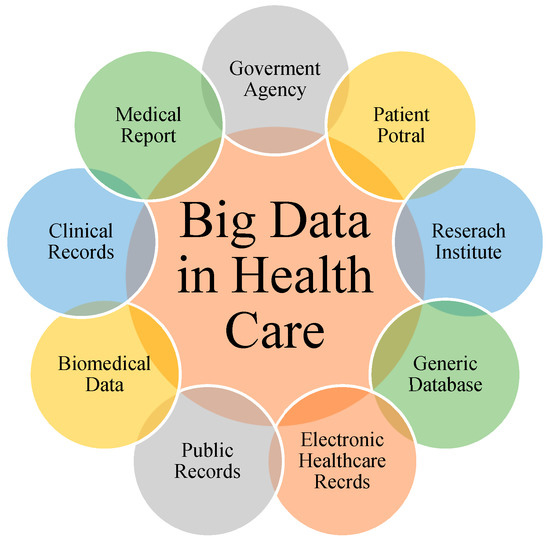
- Electronic Health Records (EHRs)
- Medical imaging and laboratory data
- Wearable health devices and sensors
- Genomic and clinical research data
- Health insurance and hospital administrative data
Role in Modern Healthcare
- Identifying disease patterns and trends
- Supporting clinical decision systems
- Improving hospital efficiency
- Enabling personalized medicine
Benefits of Health Data Analytics in Healthcare
- Improved Clinical Decision-Making: Data analytics helps doctors make evidence-based treatment decisions using large patient datasets.
- Early Disease Detection: Predictive analytics can identify risk factors and detect diseases at early stages.
- Cost Reduction in Healthcare: Analytics helps hospitals optimize resources, reduce unnecessary tests, and lower operational costs.
- Personalized Medicine: Big data enables customized treatments based on patient genetics, lifestyle, and medical history.
- Population Health Management: Healthcare providers can track disease trends and manage public health strategies effectively.
