Multiple Sclerosis
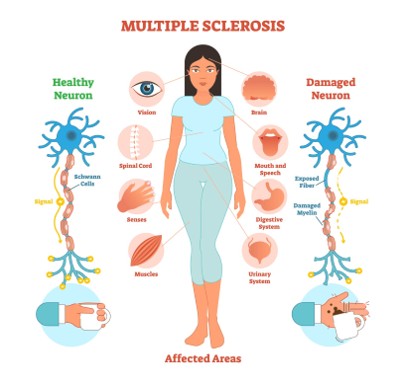
Multiple Sclerosis is a chronic autoimmune disorder in which the immune system attacks the protective covering (myelin sheath) of nerve fibers in the brain and spinal cord, disrupting communication between the brain and body.
Causes & Risk Factors of Multiple Sclerosis
- Autoimmune response against myelin
- Genetic susceptibility
- Environmental triggers
- Viral infections (possible association)
- More common in young adults (20 - 40 years)
Common Symptoms of Multiple Sclerosis
- Numbness or tingling in limbs
- Muscle weakness
- Vision problems (optic neuritis)
- Fatigue
- Difficulty walking or maintaining balance
- Cognitive and memory issues
Types of Multiple Sclerosis
- Relapsing-Remitting MS (RRMS) – Most common; flare-ups followed by recovery
- Secondary Progressive MS (SPMS) – Gradual worsening over time
- Primary Progressive MS (PPMS) – Continuous progression without relapses
Diagnosis of Multiple Sclerosis
- Neurological examination
- MRI scan (brain & spinal cord lesions)
- Lumbar puncture (CSF analysis)
- Evoked potential tests
Treatment & Management of Multiple Sclerosis
- Disease-Modifying Therapies (DMTs) to slow progression
- Corticosteroids for relapse management
- Physical & occupational therapy
- Symptom management (pain, fatigue, mobility)
