Heart Attack
What is Heart Attack?
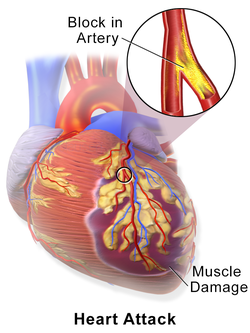
- A heart attack occurs when blood flow to part of the heart muscle is severely reduced or completely blocked, causing damage to the heart tissue.
- Usually caused by blockage in coronary arteries.
- Blockage occurs due to buildup of fat, cholesterol, and plaque.
- A ruptured plaque can form a blood clot.
- Lack of oxygen causes heart muscle damage or death.
- It is a medical emergency requiring immediate treatment.
- A heart attack is also called myocardial infarction (MI).
Causes of Heart Attack
- Plaque buildup
- Blood clot blocking artery
- Tear in artery wall
- Severe narrowing of arteries
- Coronary artery disease
Symptoms of Heart Attack
- Chest pain or pressure (tightness or squeezing)
- Pain spreading to arm, neck, jaw, back, or shoulder
- Shortness of breath
- Cold sweating
- Nausea or vomiting
- Dizziness or light headedness
- Extreme fatigue
Types of Heart Attack
- STEMI - complete artery blockage (severe)
- NSTEMI - partial blockage
- Coronary artery spasm-related heart attack
Diagnosis of Heart Attack
- Electrocardiogram (ECG)
- Blood tests (cardiac enzymes)
- Echocardiogram
- Coronary angiography
- CT or MRI scans
Complications of Heart Attack
- Heart failure
- Arrhythmias
- Cardiogenic shock
- Sudden cardiac arrest
- Recurrent heart attack
Treatment of Heart Attack
- Emergency Treatment
- Call emergency services immediately
- Aspirin (if advised)
- Oxygen and medications
- Restore blood flow quickly
- Medical Procedures
- Angioplasty and stent placement
- Thrombolytic therapy (clot-dissolving drugs)
- Coronary artery bypass surgery (CABG)
