Malaria
What is Malaria?
- Malaria is a life-threatening infectious disease caused by Plasmodium parasites.
- It spreads mainly through the bite of infected female Anopheles mosquitoes.
- Common in tropical and subtropical regions.
- The disease is preventable and curable with proper treatment.
- ~282 million cases worldwide in 2024.
- About 610,000 deaths globally.
- Majority of deaths occur in African countries, especially among children under 5 years.
Causes of Malaria
- Caused by single-celled parasites of the Plasmodium genus.
- Transmission occurs when:
- An infected mosquito bites a human.
- Parasites enter the bloodstream → travel to the liver → infect red blood cells.
Symptoms of Malaria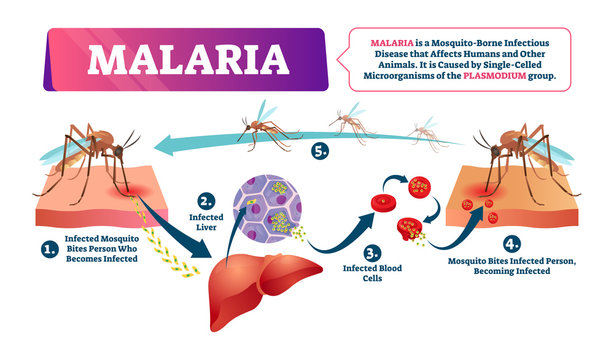
- Fever
- Chills and sweating cycles
- Headache
- Fatigue
- Muscle or joint pain
- Nausea and vomiting
- Abdominal discomfort
Complications of Malaria
- Cerebral malaria (brain involvement)
- Severe anemia
- Organ failure (kidney or liver)
- Breathing problems
- Death in severe cases
Treatment of Malaria
- Requires antimalarial medicines.
- Early diagnosis and treatment prevent severe disease and death.
- Artemisinin-based combination therapy is commonly used for severe malaria.
