Cardiac Arrest
What is Cardiac Arrest?
- Cardiac arrest is a sudden stop of heart function, causing the heart to stop pumping blood to the brain and other organs.
- Happens suddenly and unexpectedly.
- Person becomes unconscious within seconds.
- Breathing stops.
- Can lead to death within minutes without treatment.
- Cardiac arrest is not the same as a heart attack.
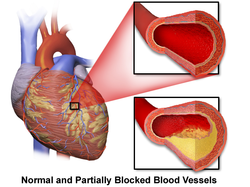
- Heart attack = blood flow blockage
- Cardiac arrest = electrical failure of the heart
Symptoms of Cardiac Arrest
- Sudden collapse
- Chest discomfort
- Shortness of breath
- Palpitations
Causes of Cardiac Arrest
- Ventricular fibrillation
- Coronary artery disease
- Previous heart attack
- Heart failure
- Cardiomyopathy
- Electrolyte imbalance
- Genetic heart conditions
Emergency Treatment (Life-Saving Steps)
- Call emergency services immediately
- Start CPR (cardiopulmonary resuscitation)
- Use AED (automated external defibrillator) if available
- Hospital treatment and monitoring
Hospital Treatment
- Anti-arrhythmic medicines
- Beta-blockers or ACE inhibitors
- Implantable cardioverter-defibrillator (ICD)
- Treatment of underlying heart disease
Complications of Cardiac Arrest
- Brain damage (due to lack of oxygen)
- Organ failure
- Coma
- Sudden death
Prevention of Cardiac Arrest
- Heart-healthy diet
- Regular exercise
- Control BP, cholesterol, diabetes
- Avoid smoking
- Regular cardiac checkups
