Coronary Heart Disease
What is Coronary Heart Disease?
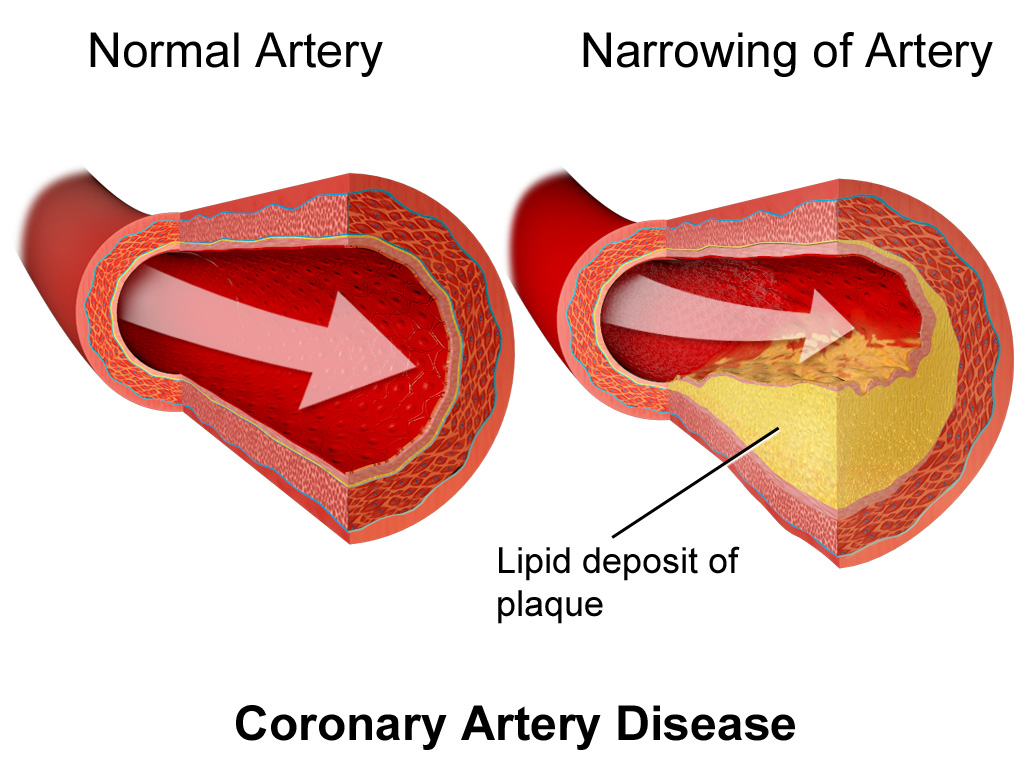
- Coronary heart disease is a condition in which the coronary arteries become narrowed or blocked, reducing blood flow to the heart muscle.
- Caused mainly by buildup of fat, cholesterol, and plaque in artery walls.
- Reduced blood flow decreases oxygen supply to the heart.
- Severe blockage can lead to a heart attack.
- CHD develops slowly over many years and is one of the most common heart diseases.
Symptoms of Coronary Heart Disease
- Chest pain or pressure (angina)
- Fatigue or weakness
- Pain spreading to arm, neck, jaw, or back
- Symptoms may worsen during physical activity or stress.
Causes for Coronary Heart Disease
- Atherosclerosis - plaque buildup in arteries
Complications of Coronary Heart Disease
- Heart attack (myocardial infarction)
- Heart failure
- Arrhythmias (irregular heartbeat)
- Sudden cardiac death
Treatment of Coronary Heart Disease
- Medications
- Cholesterol-lowering drugs (statins)
- Blood pressure medicines
- Antiplatelet drugs (e.g., aspirin)
- Nitroglycerin for chest pain
- Procedures/Surgery
- Angioplasty and stent placement
- Coronary artery bypass graft (CABG)
