Cushing’s Syndrome
What is Cushing’s syndrome?
- Cushing’s syndrome is a hormonal disorder caused by high levels of cortisol in the body for a long time.
- Cortisol is a stress hormone produced by the adrenal glands.
- The condition occurs when the body produces too much cortisol or from long-term steroid medication use.
Symptoms of Cushing’s Syndrome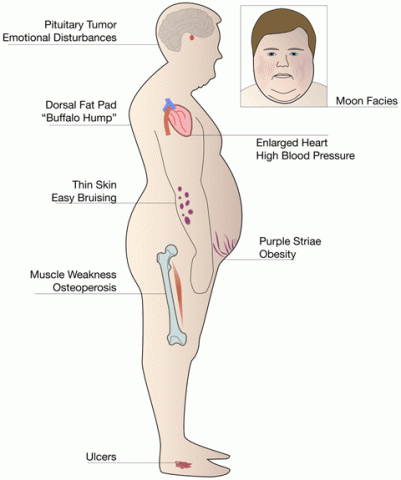
- Weight gain (especially abdomen)
- Rounded face (“moon face”)
- Fat buildup between shoulders (“buffalo hump”)
- Thin arms and legs
- Purple or pink stretch marks
- Easy bruising and thin skin
- Muscle weakness
- Fatigue
- High blood pressure, High blood sugar or diabetes
Causes of Cushing’s Syndrome
- Pituitary gland tumors
- Adrenal gland tumors
- Tumors producing ACTH outside pituitary
Diagnosis of Cushing’s Syndrome
- Blood tests
- Urine cortisol test
- Saliva cortisol test
- Dexamethasone suppression test
- Imaging scans (MRI or CT) to find tumors
Complications of Cushing’s Syndrome
- Osteoporosis (weak bones)
- High blood pressure, High Blood Sugar
- Blood clots, Infections
- Heart attack or stroke
- Memory and mood problems
Treatment of Cushing’s Syndrome
- Medication Adjustment: Reduce or stop steroid medicines
- Medications: Drugs that reduce cortisol production
- Surgery: Removal of pituitary or adrenal tumors
- Radiation Therapy: Used when surgery is not fully effective
