Gut Health
What is Gut health?
- Gut health refers to the balance and proper functioning of the gastrointestinal tract, including digestion, absorption, immune function, and a healthy gut microbiome.
- The gut microbiome consists of trillions of microorganisms that support overall health.
- Gut Health supports digestion and nutrient absorption.
- Gut Health maintains gut barrier integrity.
- Gut Health regulates immune responses.
- Gut Health protects against harmful pathogens.
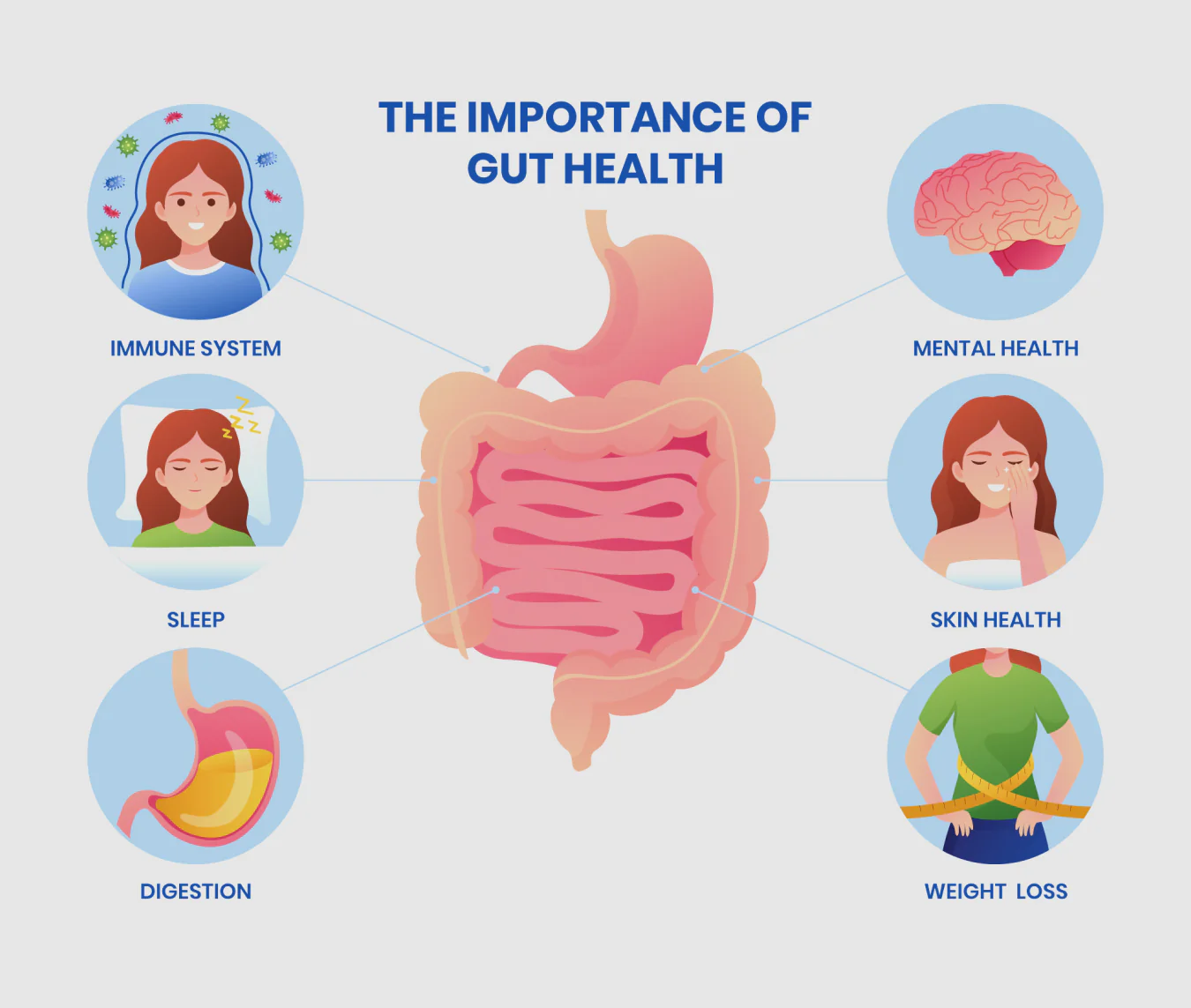
- Gut Health influences metabolism and gut-brain communication.
Factors Influencing Gut Health
- Diet and nutrition
- Stress
- Antibiotic use
- Sleep and lifestyle habits
- Microbial diversity and balance
Signs of Poor Gut Health
- Common Signs and Symptoms
- Bloating, gas, constipation, or diarrhea
- Food intolerances or digestive discomfort
- Fatigue or low energy
- Skin issues (e.g., eczema, acne)
- Frequent illness or weakened immunity
- Gut Dysbiosis (Microbial Imbalance)
- Reduced beneficial bacteria
- Increased harmful microbes
- May contribute to inflammation and disease risk
- Potential Health Associations
- Irritable bowel syndrome (IBS)
- Inflammatory bowel disease (IBD)
- Metabolic disorders
- Immune and inflammatory conditions
Maintaining Gut Health
- Strategies to Support Gut Health
- Consume fiber-rich foods
- Include fermented foods where appropriate
- Stay hydrated
- Manage stress
- Exercise regularly
- Use antibiotics only when medically necessary
- Emerging Approaches
- Probiotics and prebiotics (when appropriate)
- Microbiome-targeted therapies under research
- Personalized nutrition approaches
