Insomnia
What is Insomnia?
- Insomnia is a common sleep disorder characterized by difficulty falling asleep, staying asleep, or waking too early.
- It can lead to daytime fatigue, low energy, and poor concentration.
- Acute insomnia – short-term (days to weeks)
- Chronic insomnia – lasts ≥3 months
Causes of Insomnia
- Stress and life events (work, health, relationships)
- Irregular sleep schedules (shift work, travel/jet lag)
- Poor sleep habits (screen time, inconsistent bedtime)
- Mental health disorders (anxiety, depression)
- Medical conditions (chronic pain, asthma, GERD, heart disease)
- Substances (caffeine, nicotine, alcohol, certain medications)
Symptoms of Insomnia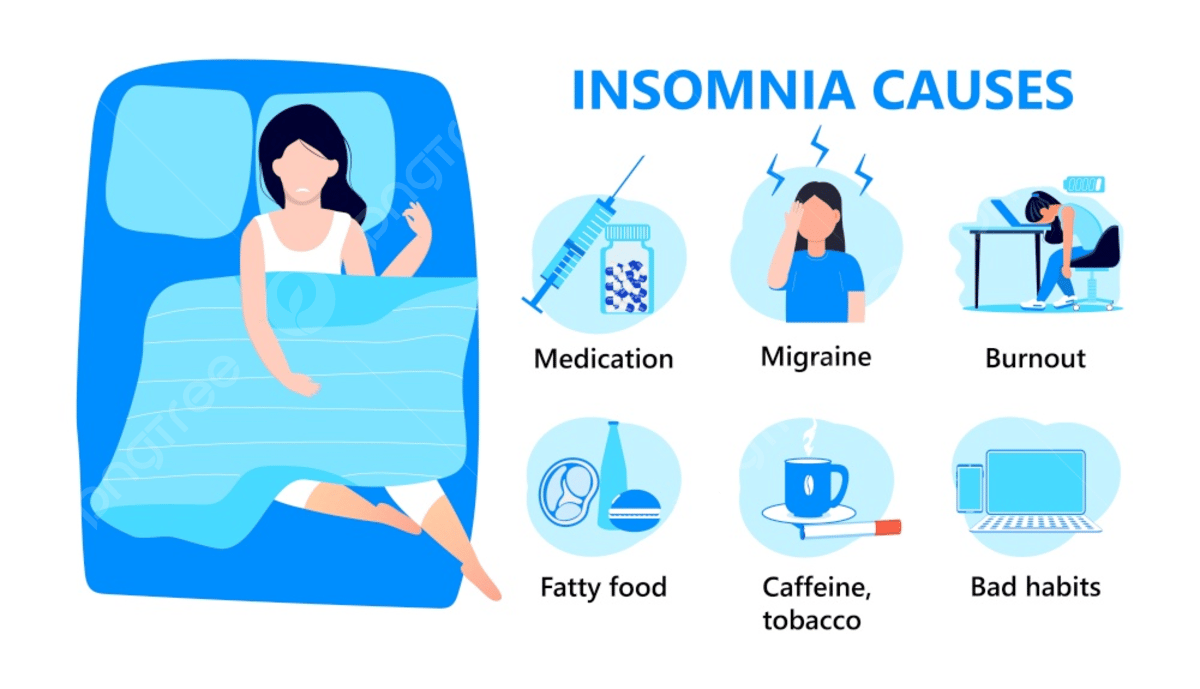
- Difficulty falling asleep at night
- Frequent awakenings during the night
- Waking too early and not returning to sleep
- Daytime tiredness or sleepiness
- Irritability, anxiety, or low mood
- Difficulty concentrating or remembering
Complications of Insomnia
- Reduced performance at work/school
- Increased risk of accidents
- Higher risk of depression, anxiety
- Long-term risk of chronic diseases (e.g., heart disease, hypertension)
Diagnosis of Insomnia
- Clinical evaluation and sleep history
- Sleep diary or questionnaires
- Referral to a sleep study center if needed
Treatment of Insomnia
- Lifestyle changes (first-line)
- Regular sleep schedule
- Limiting caffeine/alcohol
- Improving sleep environment
- Cognitive Behavioral Therapy for Insomnia (CBT-I)
- Short-term use of sleep medications
