Irritable Bowel Syndrome (IBS)
What is Irritable Bowel Syndrome (IBS)?
- Irritable Bowel Syndrome (IBS) is a common disorder affecting the stomach and intestines (gastrointestinal tract).
- It is a chronic functional digestive condition requiring long-term management.
- IBS affects how the gut works, even though the digestive tract appears normal.
- Characterized by recurrent abdominal discomfort and altered bowel habits.
- Symptoms may vary from mild to severe among individuals.
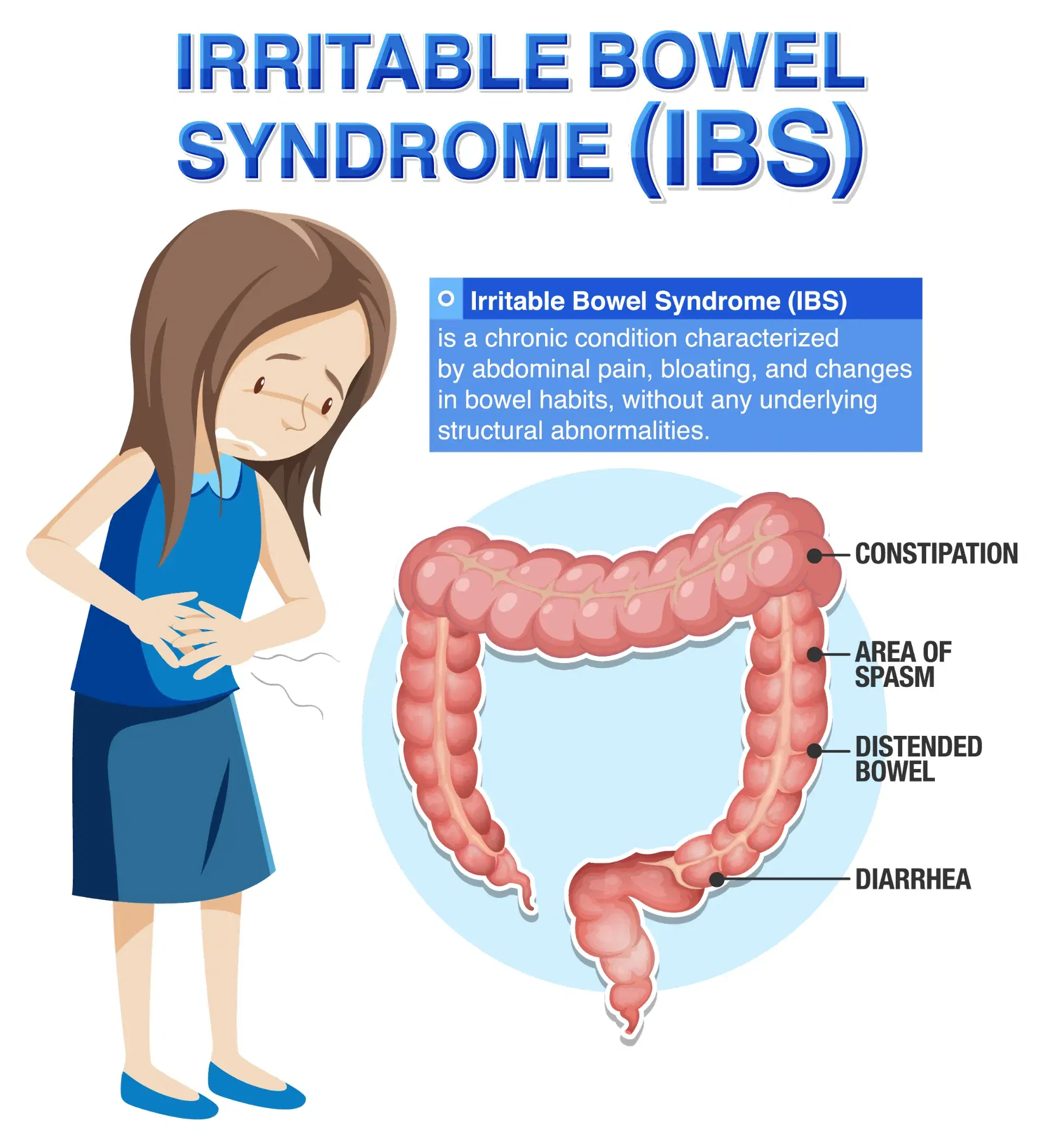
- IBS does not damage bowel tissue and does not increase colorectal cancer risk.
- Many patients can manage symptoms through diet, lifestyle changes, and stress control.
Symptoms of IBS
- Abdominal pain or cramping
- Bloating and excess gas
- Diarrhea, constipation
- Changes in stool frequency and appearance
- Feeling of incomplete bowel movement
- Mucus in stool
Causes of IBS
- Abnormal intestinal muscle contractions
- Gut–brain communication problems
- Increased gut sensitivity
- Changes in gut microbiome
- Infection after gastroenteritis
Types of IBS
- IBS-C: Constipation-predominant
- IBS-D: Diarrhea-predominant
- IBS-M: Mixed (alternating diarrhea & constipation)
- IBS-U: Unclassified type
Diagnosis of IBS
- Physical examination
- Assessment of bowel habits and pain pattern
- Blood tests
- Stool tests
- Colonoscopy (if warning signs present)
- Imaging or lactose intolerance testing (when required)
Treatment of IBS
Lifestyle & Diet Changes
- Avoid foods that trigger symptoms
- Eat smaller, regular meals, increase fiber slowly
- Drink plenty of water, exercise regularly, manage stress
Medicines (Based on Symptoms)
- Constipation: Fiber supplements or laxatives
- Diarrhea: Anti-diarrheal medicines
- Pain & cramps: Antispasmodic medicines
- Bloating: Probiotics (in some patients)
Medications specifically used to treat IBS include
- Dicyclomine
- Hyoscyamine
- Lubiprostone
- Linaclotide
- Plecanatide
- Rifaximin
