Stroke
Stroke occurs when the blood supply to part of the brain is interrupted or reduced, preventing brain tissue from receiving oxygen and nutrients, leading to brain cell damage.
Types of Stroke
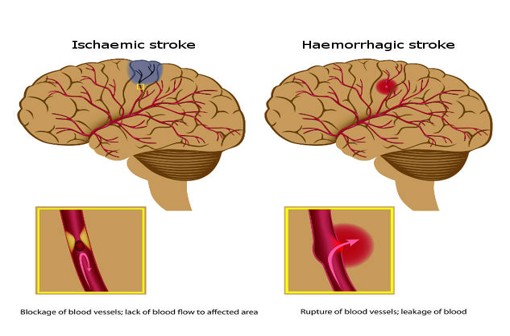
- Ischemic Stroke – Caused by blockage of a blood vessel (most common)
- Hemorrhagic Stroke – Caused by bleeding in the brain
- Transient Ischemic Attack (TIA) – Temporary blockage (“mini-stroke”)
Risk Factors of Stroke
- High blood pressure (Hypertension)
- Diabetes
- Smoking
- High cholesterol
- Obesity & physical inactivity
- Heart disease
Warning Signs (FAST Rule)
- F – Face drooping
- A – Arm weakness
- S – Speech difficulty
- T – Time to seek emergency care
Common Symptoms of Stroke
- Sudden numbness or weakness (especially one side of body)
- Confusion or trouble speaking
- Vision problems
- Severe headache
- Difficulty walking or loss of balance
Diagnosis of Stroke
- CT Scan or MRI brain imaging
- Neurological examination
- Blood tests and cardiac evaluation
Treatment & Management of Stroke
- Emergency clot-dissolving drugs (tPA) for ischemic stroke
- Surgery or procedures for bleeding or blockages
- Rehabilitation: Physical therapy, Speech therapy, Occupational therapy
