Traumatic Brain Injury
What is Traumatic Brain Injury (TBI)?
- Traumatic Brain Injury (TBI) occurs when a sudden blow, bump, or penetrating injury to the head disrupts normal brain function.
- Can range from mild concussion to severe brain damage.
- Common causes include falls, road accidents, sports injuries, and violence.
- May cause temporary or permanent neurological problems.
Types of Traumatic Brain Injury
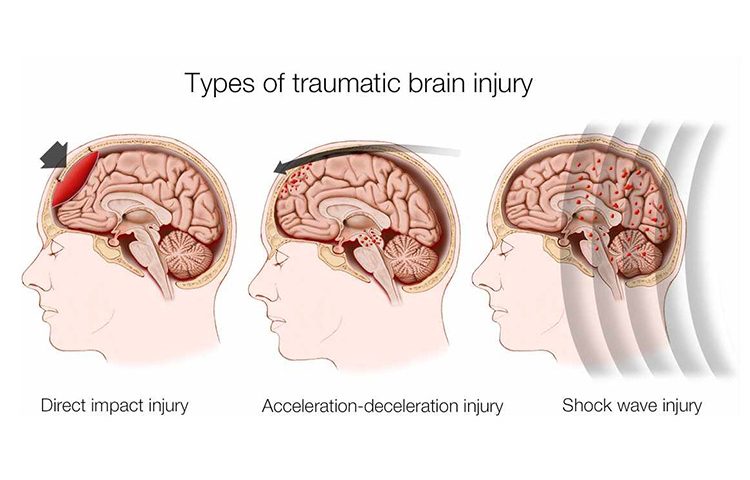 Mild TBI (Concussion)
- Brief change in mental status
- May or may not involve loss of consciousness
- Moderate TBI
- Loss of consciousness lasting minutes to hours
- Noticeable neurological symptoms
- Severe TBI
- Prolonged unconsciousness or coma
- Significant brain damage
Causes of Traumatic Brain Injury
- Falls (most common cause)
- Road traffic accidents
- Sports injuries
- Physical assault
- Workplace injuries
- Penetrating head injuries
Diagnosis of Traumatic Brain Injury
- Neurological examination
- Glasgow Coma Scale (GCS)
- CT scan or MRI brain imaging
- Cognitive and memory assessment
Complications of Traumatic Brain Injury
- Persistent headaches
- Memory and learning difficulties
- Seizures
- Speech or movement problems
- Personality changes
Symptoms of Traumatic Brain Injury
- Physical Symptoms
- Headache
- Nausea or vomiting
- Dizziness
- Fatigue
- Sensitivity to light or noise
- Cognitive Symptoms
- Confusion
- Memory problems
- Difficulty concentrating
- Slow thinking
- Emotional & Behavioral Symptoms
- Mood changes
- Irritability
- Anxiety or depression
Treatment of Traumatic Brain Injury
- Mild TBI
- Rest and observation
- Pain management
- Gradual return to activities
- Moderate to Severe TBI
- Emergency stabilization
- Medications to reduce brain swelling
- Surgery if bleeding or pressure occurs
- Rehabilitation therapy
