Tuberculosis
What is Tuberculosis?
- Tuberculosis (TB) is a serious infectious disease caused by the bacterium Mycobacterium tuberculosis, mainly affecting the lungs, but it can also involve other organs.
- Spread through airborne droplets when an infected person coughs, sneezes, or speaks.
- One of the leading infectious causes of death worldwide.
- About 10 million people develop TB each year globally.
- Preventable and curable with proper treatment.
Types of Tuberculosis
- Latent TB Infection
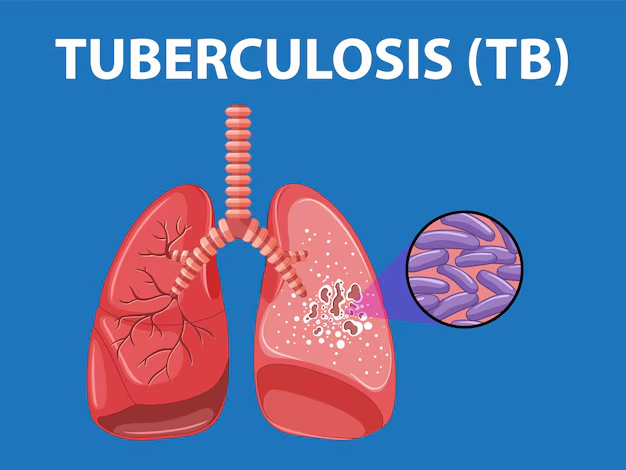
- Bacteria present but inactive
- No symptoms. No Contagious
- Active TB Disease
- Bacteria multiply and cause illness
- Contagious
Diagnosis of Tuberculosis
- Medical history and physical examination
- Chest X-ray, Sputum test, TB skin test or blood test
Complications Tuberculosis
- Lung damage
- TB meningitis (brain infection)
- Bone or joint infection
- Kidney or spine involvement
- Drug-resistant TB
Prevention of Tuberculosis
- Early detection and treatment
- Screening high-risk individuals
- Proper ventilation and masks
- Proper ventilation and masks
Treatment of Tuberculosis
- Long-term antibiotic therapy (usually 6 months or longer)
- Combination medicines to prevent resistance
- Strict treatment adherence required
