Zoonotic Diseases
What is Zoonotic Diseases?
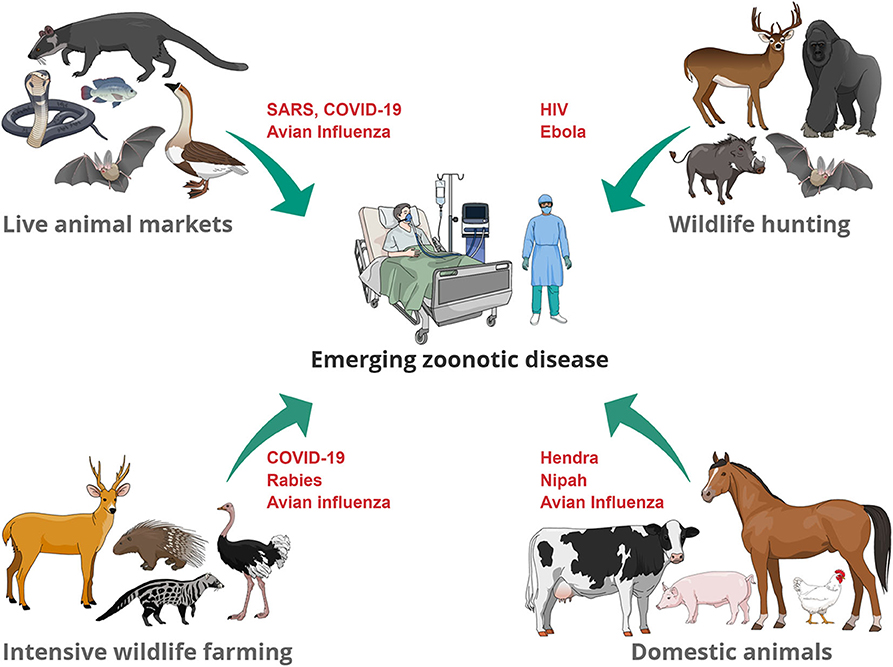
- Zoonotic diseases (zoonoses) are infections that spread between animals and humans.
- Caused by bacteria, viruses, parasites, fungi, or prions.
- ~60% of known infectious diseases in humans originate from animals.
- ~75% of emerging diseases come from animals.
Causes (Pathogens) of Zoonotic Diseases
- Bacteria – e.g., Salmonella, tuberculosis
- Viruses – e.g., rabies, Ebola
- Parasites – e.g., malaria, toxoplasmosis
- Fungi – e.g., ringworm
- Prions – e.g., mad cow disease
Common Animal Sources of Zoonotic Diseases
- Domestic animals: dogs, cats
- Livestock: cattle, sheep, pigs
- Wildlife: bats, rodents, birds
- Insects: mosquitoes, ticks
Modes of Transmission
- Direct Contact
- Contact with animal fluids (blood, saliva, urine, feces)
- Animal bites or scratches
- Indirect Contact
- Contact with contaminated surfaces, soil, or animal habitats
- Vector-borne
- Through insects like: Mosquitoes, Ticks, Fleas
- Foodborne & Waterborne
- Eating undercooked meat
- Drinking contaminated water or unpasteurized milk
Symptoms of Zoonotic Diseases
- Fever
- Fatigue
- Headache
- Body aches
- Diarrhea or vomiting
- Skin rashes
Diagnosis of Zoonotic Diseases
- Blood tests
- Imaging
- Microbiological tests
Treatment of Zoonotic Diseases
- Depends on causative organism:
- Antibiotics (bacterial infections)
- Antivirals (some viral infections)
- Antifungals / antiparasitics
