Zoster Ophthalmicus
What is Zoster Ophthalmicus?
- Zoster Ophthalmicus (HZO) is a reactivation of the varicella-zoster virus (VZV) affecting the eye.
- It involves the ophthalmic (V1) branch of the trigeminal nerve.
- Presents as painful unilateral rash on forehead/eye region with ocular involvement.
- Considered an ophthalmic emergency due to risk of vision loss.
- Caused by reactivation of latent VZV (after chickenpox).
- Virus remains dormant in sensory nerve ganglia → reactivates → travels along nerves to skin and eye.
- Leads to: Skin lesions (vesicles), Ocular inflammation.
Symptoms of Zoster Ophthalmicus
- Fever, malaise
- Headache
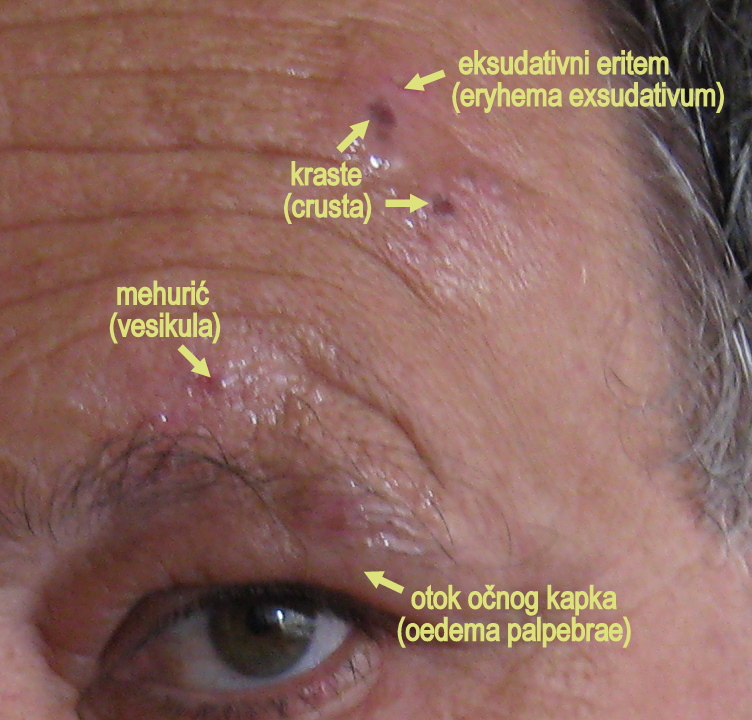
- Pain/tingling in forehead or eye area
Complications of Zoster Ophthalmicus
- Keratitis (corneal inflammation)
- Uveitis
- Glaucoma (↑ intraocular pressure)
- Optic nerve damage
- Permanent vision loss
- Postherpetic neuralgia (chronic pain)
- Retinal necrosis (rare but severe)
Diagnosis of Zoster Ophthalmicus
- Primarily clinical diagnosis: Dermatomal rash + eye symptoms
- Tests (if unclear): PCR, Viral culture, Serology
Treatment of Zoster Ophthalmicus
- Oral antivirals: Acyclovir, Valacyclovir, Famciclovir
- Topical corticosteroids (for inflammation)
- Mydriatic drops (pain relief, prevent complications)
