Zygomycosis
What is Zygomycosis?
- Zygomycosis, now more commonly called mucormycosis, is a rare but serious fungal infection caused by molds (mucormycetes).
- These fungi are commonly found in: Soil, Decaying organic matter (leaves, wood, compost).
- Primarily affects people with weakened immune systems or uncontrolled diabetes.
- It is a life-threatening infection if not treated early.
- Caused by fungi from order Mucorales (e.g., Rhizopus, Mucor, Lichtheimia).
- Infection occurs through:
- Inhalation of spores (lungs/sinuses).
- Contaminated food ingestion.
- Entry via skin wounds or trauma.
Types of Mucormycosis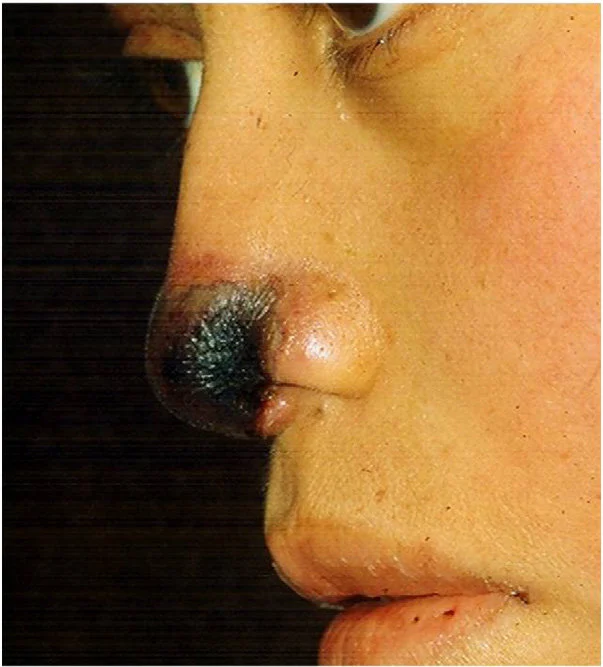
- Rhinocerebral (sinus → brain) – most common
- Pulmonary (lungs)
- Cutaneous (skin)
- Gastrointestinal
- Disseminated (spread throughout body)
Symptoms of Zygomycosis
- Sinus/Brain Infection
- Facial swelling (one side)
- Headache
- Nasal congestion
- Black lesions in nose or mouth
- Lung Infection
- Fever
- Chest pain
- Shortness of breath
- Cough (may include blood)
- Skin Infection
- Painful ulcers or blisters
- Redness → blackened tissue (necrosis)
- GI Infection
- Abdominal pain
- Nausea, vomiting
- GI bleeding
Diagnosis of Zygomycosis
- Imaging: CT scan / MRI
- Laboratory: Tissue biopsy (confirmatory)
- Clinical suspicion in high-risk patients
Treatment of Zygomycosis
- Antifungal therapy: Amphotericin B, Posaconazole, Isavuconazole
- Surgical removal of infected tissue (often necessary)
