Atrial Fibrillation
Atrial Fibrillation is a common heart rhythm disorder in which the upper chambers of the heart (atria) beat irregularly and rapidly, leading to inefficient blood flow and increased risk of stroke.
Causes & Risk Factors of Atrial Fibrillation
• High blood pressure (hypertension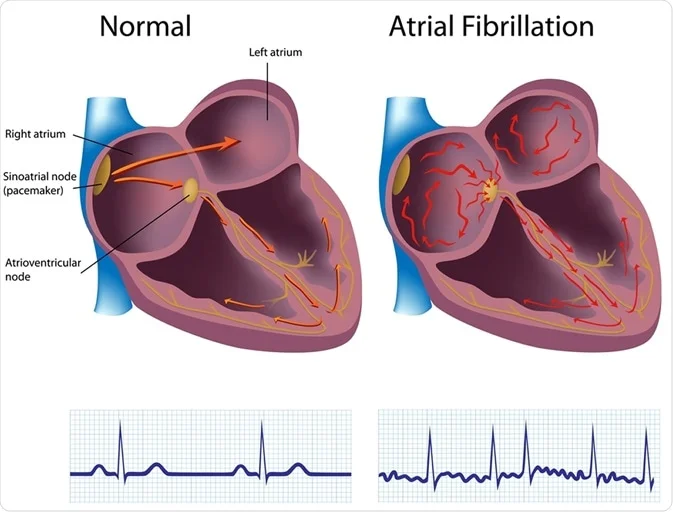 )
)
)• Coronary artery disease
• Heart valve disorders
• Diabetes and obesity
• Thyroid disorders
• Increasing age (>60 years)
• Excess alcohol consumption
Diagnosis of Atrial Fibrillation
• Electrocardiogram (ECG)
• Holter monitoring (24-hour ECG)
• Echocardiography
• Blood tests (thyroid function, electrolytes)
Common Symptoms of Atrial Fibrillation
• Irregular or rapid heartbeat (palpitations)
• Fatigue or weakness
• Shortness of breath
• Dizziness or light headedness
• Chest discomfort
Treatment & Management of Atrial Fibrillation
• Rate control medications (beta blockers, calcium channel blockers)
• Rhythm control therapy (antiarrhythmic drugs)
• Anticoagulants to prevent stroke
• Cardioversion (electrical reset of rhythm)
• Catheter ablation (advanced cases)
Complications of Atrial Fibrillation
• Stroke (major risk)
• Heart failure
• Blood clot formation
• Reduced cardiac efficiency
Prevention & Lifestyle Management of Atrial Fibrillation
• Blood pressure control
• Regular exercise
• Weight management
• Limit alcohol and caffeine
• Manage diabetes and heart disease
