Inflammatory Diseases
What is Inflammatory Diseases?
- Inflammation is the body’s natural defense response to injury, infection, or harmful stimuli.
- It helps protect tissues and supports healing, but prolonged inflammation can contribute to disease.
- Types of Inflammation
- Acute inflammation: Short-term response to injury or infection (e.g., redness, swelling, pain)
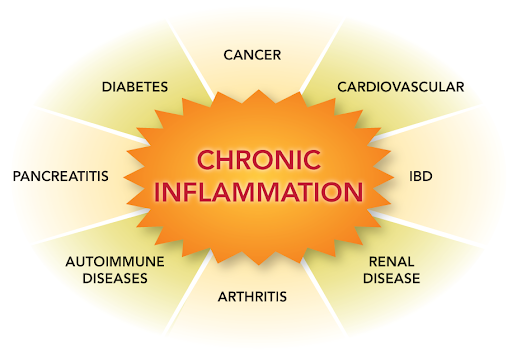
- Chronic inflammation: Persistent inflammation that may last months or years and can damage healthy tissues
Examples of Inflammatory Diseases
- Rheumatoid arthritis
- Inflammatory bowel disease (Crohn’s disease, ulcerative colitis)
- Psoriasis
- Asthma and allergies
- Cardiovascular and metabolic diseases linked to chronic inflammation
Symptoms of Inflammatory Diseases
- Pain and swelling
- Fatigue, Fever
- Joint stiffness
- Digestive issues
Treatment of Inflammatory Diseases
- Treatment Approaches
- Anti-inflammatory medications (e.g., NSAIDs, corticosteroids)
- Disease-specific therapies
- Immunomodulatory or targeted therapies
- Monitoring and treatment of underlying causes
- Lifestyle Management
- Anti-inflammatory diet
- Regular exercise
- Stress management
- Smoking cessation
- Weight management
