Women’s Health & Reproductive Care
Women's health encompasses a unique set of physiological and hormonal considerations throughout different life stages. Conditions like Polycystic Ovary Syndrome (PCOS), a common hormonal disorder, can lead to irregular periods, infertility, and metabolic issues. Other concerns include endometriosis, amenorrhea (absence of periods), and the various symptoms associated with menopause. Care involves specialized gynecological consultations, hormonal testing (FSH, LH, Prolactin), and personalized treatment plans, including lifestyle modifications and medication, to manage symptoms and support reproductive and overall well-being.
Key Areas of Care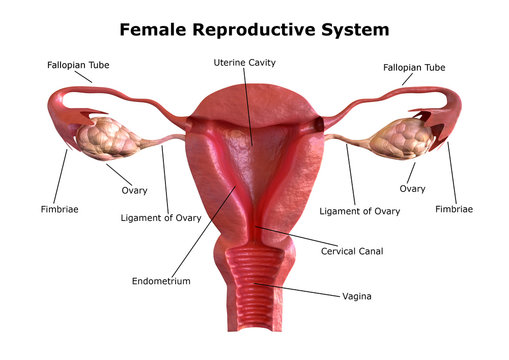
- Menstrual and hormonal health
- Pregnancy and prenatal care
- Family planning and contraception
- Fertility and reproductive health services
- Menopause management
- Cervix and vagina
Major Reproductive Organs
- Ovaries
- Uterus
- Fallopian tubes
Importance of Women’s Healthcare
- Maternal & Pregnancy Care: Regular antenatal care reduces risks during pregnancy and childbirth.
- Early Disease Detection: Screening helps detect conditions such as breast cancer and cervical cancer early.
- Hormonal Health Management: Supports treatment of PCOS, thyroid disorders, and menopause-related issues.
- Family Planning & Reproductive Rights: Access to contraception improves maternal and child health outcomes.
- Improved Quality of Life: Comprehensive healthcare supports physical, emotional, and reproductive well-being.
